

 LinkedIn

A screenshot of ChatGPT recommending your competitor can make a paid-search operator reach for the familiar controls: pick the query, build the page, turn up the spend. Those controls don’t buy a citation. ChatGPT and Perplexity have to retrieve material that answers the buyer’s question, then assemble an answer from what they find. A sharp landing page can still leave them with nothing useful to cite.
I spent nearly a decade working in Google Ads, where isolating commercial intent and improving the page behind the click were sensible habits. Some of that discipline carries over. The assumption that visibility can be tuned like a bid does not. These are the beginner beliefs I see causing the most expensive detours, and what I would do instead.
‘It’s just SEO with a new name’
This is tempting because a Google ranking is visible and familiar. If a target page sits at position six, moving it to position two feels like a concrete plan. It may be a worthwhile SEO plan. It is not, by itself, an AI citation plan.
Research into ChatGPT citations found that 80% of cited pages did not rank in Google’s top 100 results, while 28.3% had no organic visibility there. That does not mean rankings are useless. It means a Google rank is a poor stand-in for whether a different retrieval system will find and use a passage. In Seer Interactive’s SearchGPT evaluation, more than 87% of citations matched Bing’s top 20 organic results. A Perplexity citation analysis found 60% overlap with Google’s top 10 overall, falling to 27% in categories such as restaurants and local hospitality.
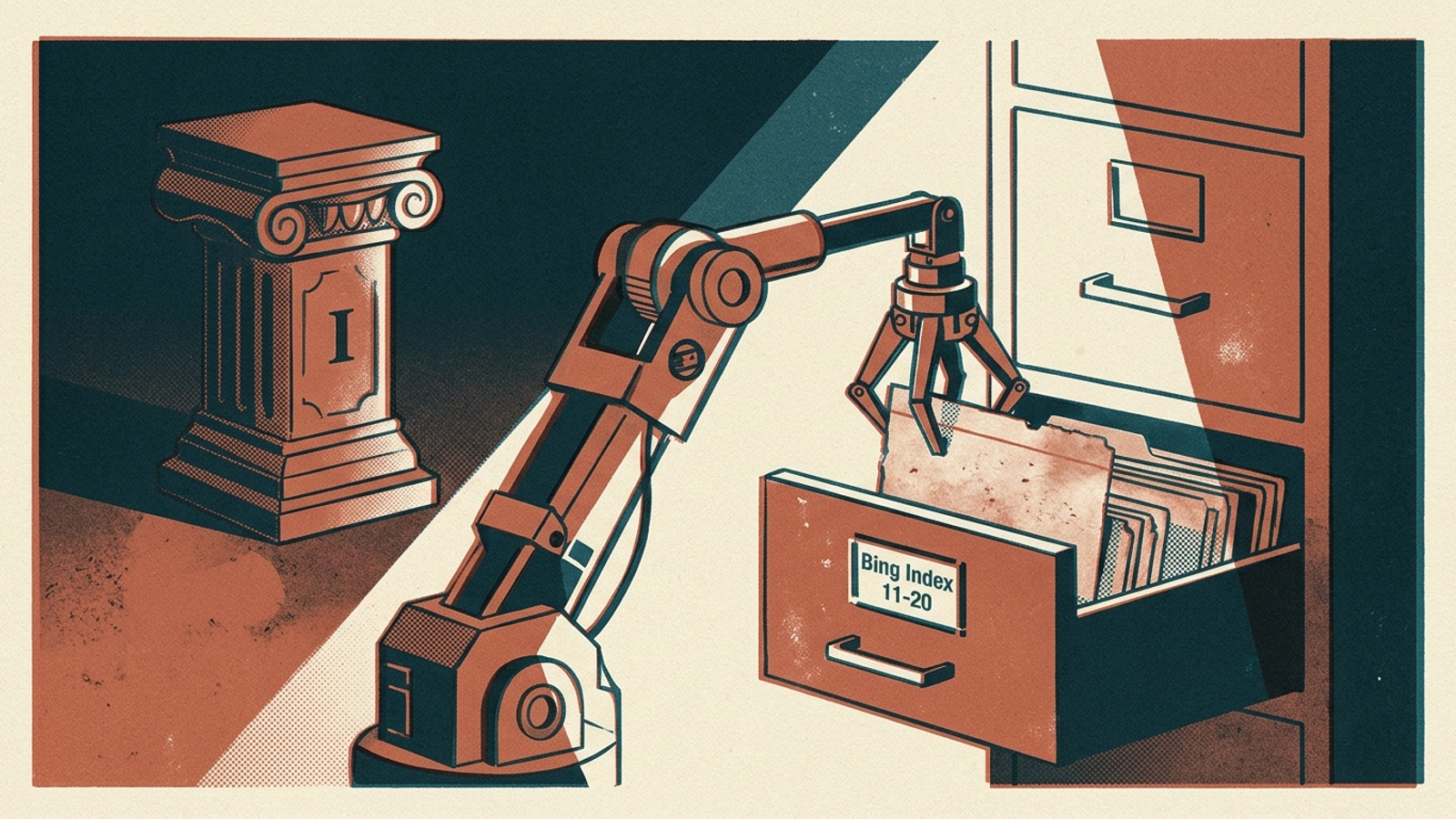
The cost of confusing those systems is straightforward: a brand can keep paying a $5,000 monthly retainer to climb two spots for a vanity keyword while its useful documentation remains hard to retrieve. A Google ranking does not guarantee that an AI engine can extract or cite the answer on your page. Check where your pages are discoverable, then check whether the relevant answer is actually present and readable.
‘Pick the keyword, write the page’
I understand this reflex. For a paid-search query like [enterprise billing software], a focused ad and a landing page with a clear offer can do their jobs well. The page might have a keyword-led H1, three benefits, customer logos and a form above the fold. Sparse copy keeps a visitor moving toward the conversion.
Now give an answer engine a different task: ‘We are a 60-person B2B SaaS company switching off Stripe Billing to handle usage-based metering in Europe. What are our options, what are the technical trade-offs, and what does implementation actually cost?’ A page that says ‘seamless implementation’ and asks for an email cannot answer much of that.
ChatGPT can fan a conversational question out into multiple sub-queries. The reported patterns include terms such as best, top, comparison and reviews. The engine is looking beyond your preferred keyword toward alternatives, costs and trade-offs. If those details are absent from your site, it has to look elsewhere.
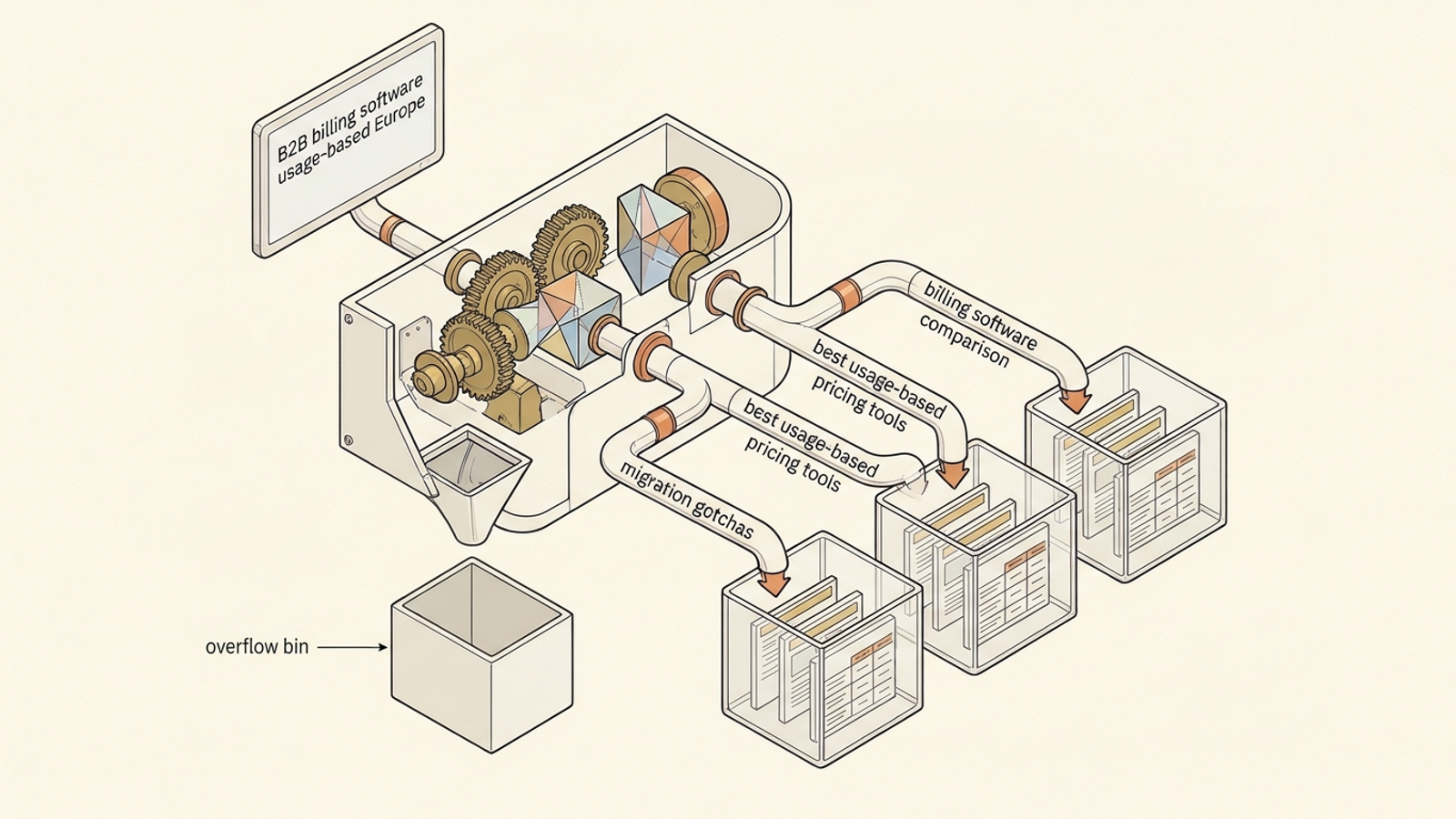
Map the questions inside the buyer’s prompt, not just the keyword at its center. Keep the conversion page if it works for ads. Give retrieval systems substantive passages on pricing, specifications, comparisons and who should not buy. That is a different writing job, not a new H1 for the old page.
‘If we pay for ads, the AI will know us’
Paid-search people are trained to solve a visibility problem with budget. I get the appeal: if a placement puts your name beside an answer, surely it helps the engine remember you.
But an ad impression and a supporting citation are different things. Paying for a placement does not put an independently useful passage into the material an engine retrieves for a later answer. Perplexity’s reported decision to discontinue its sponsored ads program also shows why building a citation strategy around a particular ad product is a fragile bet.
The cost here is paying twice: once for the ad, then again when the same unanswered buyer questions send the engine to someone else’s page. Buy ads for the impressions they deliver, not for imagined citation credit. Treat the evidence an answer engine can retrieve as separate work.
‘Our own site is enough’
For a Google Ads click, the landing page can carry most of the burden. The visitor sees your promise, your proof and your form. A conversational recommendation has a different problem: your site is also the source of your claims about yourself.
That makes off-site material valuable. In Surfer’s analysis of 10.37 million Perplexity citations, Reddit accounted for 18.88% of citations among the top 50 domains, while directory, review and app platforms including G2, Capterra and Yelp accounted for another 21.6%. Those figures do not mean a Reddit mention automatically validates a product. They show how much relevant material can live away from a vendor’s homepage.
If your feature benchmarks and competitive claims appear only on your /features or /pricing pages, a buyer asking for a comparison may find fuller answers elsewhere. Your site can explain the claim; other sources can help corroborate it. Keep directory information complete and accurate, and show up where buyers already discuss the trade-offs. Do not mistake planting a promotional comment for earning a useful mention. Readers can tell, and so can anyone who has spent five minutes in a software subreddit.
‘If the page exists, the bot can read it’
This may be the most costly belief because no amount of elegant copy fixes an inaccessible page. A marketer opens the product page, sees a pricing matrix and assumes a crawler sees the same thing. Often, that is an assumption about the browser doing work in the background.
PerplexityBot does not render JavaScript during web crawls. If specifications or differentiators appear only after client-side rendering, the raw response may not contain the text you want retrieved. Before commissioning another rewrite, inspect what crawlers can actually read.
Access rules matter too. OpenAI documents separate crawler controls for GPTBot, OAI-SearchBot and ChatGPT-User. A blanket block written to keep material out of model training can also interfere with search discovery or live fetching if nobody checks which user agents it covers. Meanwhile, a page with weak headings and long, muddled sections makes it harder to isolate the passage that answers a specific question. One technical overview describes retrieval engines partitioning content into roughly 350-to-400-word blocks; a clear, self-contained section gives such a block a better chance of making sense on its own.
Check access before you polish prose. Look at the raw HTTP response, the applicable bot rules and the page’s heading structure. A beautiful answer that arrives only after a script runs is no answer to a crawler that never runs it.
‘One screenshot proves we’re visible’
A founder asks ChatGPT about the company’s core use case, sees the brand named in paragraph two and drops a screenshot into the executive Slack channel. I would be pleased too. I would not call the project finished.
The answer can change with the run, the engine and the wording of the question. In one benchmark of commercial prompts, exact-URL turnover between identical runs reached 82.6% on ChatGPT and 45.5% on Perplexity. An engine can retrieve a different set of sources for the same words; a buyer who phrases the need differently can send it down another path altogether.
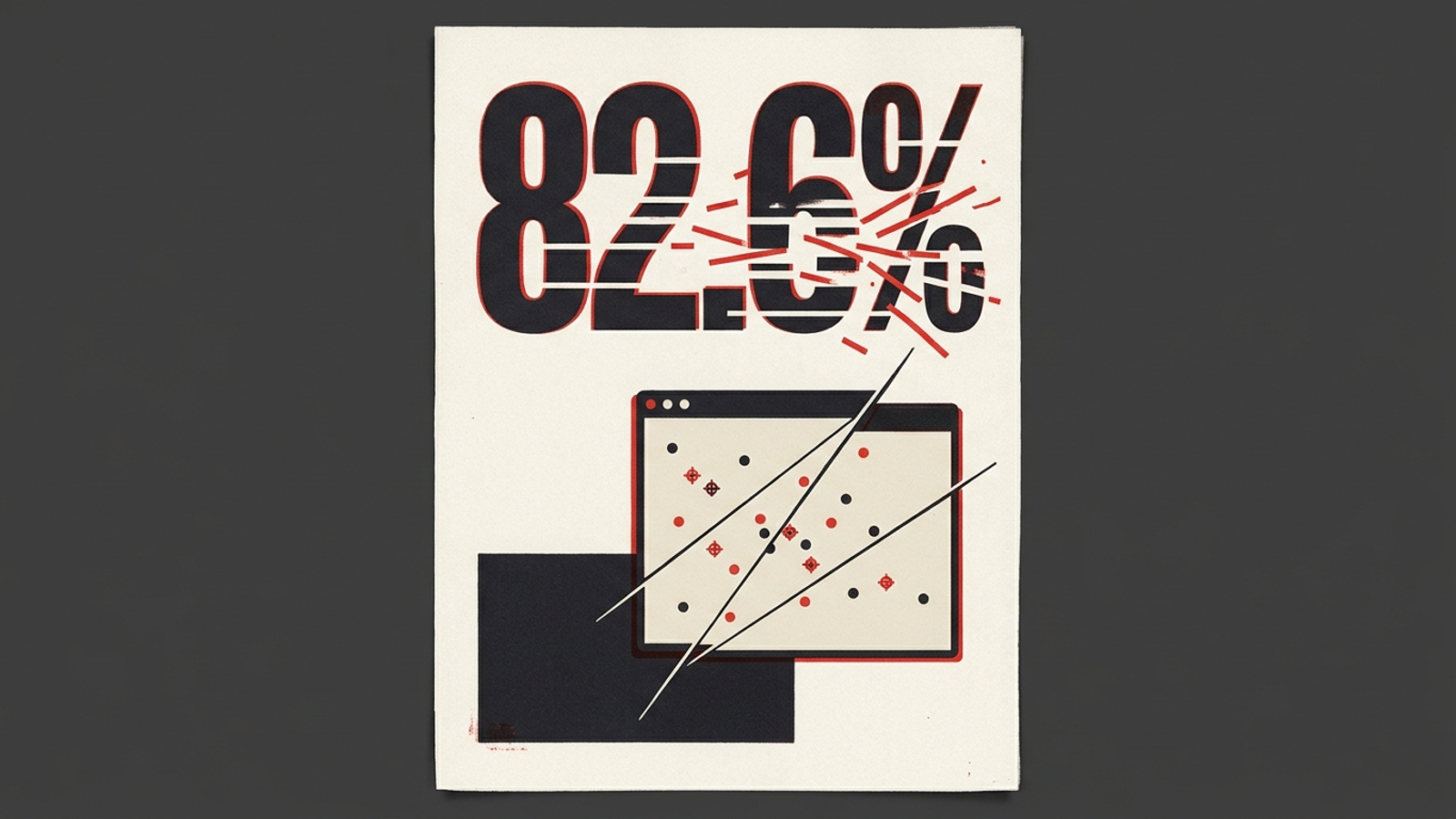
A screenshot is an example, not a visibility rate. Repeat the prompt, vary the phrasing and check more than one engine. A single encouraging answer is about as useful as searching your branded keyword once from home and declaring you own the market. Nice to see. Not a measurement.
‘It’s a one-time project’
An audit feels satisfyingly finite. An agency finds technical problems, hands over a 45-page PDF, implements fixes across two sprints and calls the foundation done. That can repair real issues. It cannot freeze the material an answer engine will retrieve next month.
A competitor may publish a comparison. A discussion may surface a product weakness. An index may change which pages it returns. The passage that made your brand easy to cite is still useful, but the surrounding evidence has moved. Citation visibility needs monitoring and adjustment, not just a launch checklist.
That is the case for continuous execution from groas, which monitors prompts across eight major AI engines and adjusts pages and third-party mentions as the citation picture changes. The point is not to produce another dashboard for a team to admire. It is to catch drift and make the next useful correction while the question still matters.
‘We need a huge program before we can start’
No. If you have zero citations, do not begin by rewriting the entire blog or buying a $1,200-a-month dashboard that tells you, with impressive charts, that you are absent. Start with a narrow sprint. The DIY AEO citation playbook gives this work a practical frame; I would put the first 30 days in this order:
- Check crawler access and rendering. Use server logs to see whether
OAI-SearchBotandPerplexityBotreceive clean200responses rather than403or404errors. Inspect the raw HTML of your core comparison pages with client-side JavaScript disabled. - Make high-intent answers stand alone. On your top three commercial pages, put clear answers beneath descriptive H2 headings. Include pricing tables, technical specifications and honest criteria for who should not use the product where those details are available. Aim for sections that still make sense when read apart from the rest of the page.
- Work on off-site corroboration. Identify the subreddits, review sites and directories that appear when buyers ask about your category. Complete your directory profiles and participate where people are already evaluating real trade-offs.
The order matters. First make the answer accessible, then make it useful, then look for corroboration. Otherwise, you can spend a month promoting a page the crawler cannot read.
‘Every business needs to do this now’
This is the belief I would push back on before anyone signs a contract. If you run a high-urgency local service, such as a 24-hour locksmith or burst-pipe plumbing outfit, a customer may be far more likely to call from a Local Services Ad or a Maps result than to work through a long ChatGPT comparison while water fills the basement. Put the budget where that immediate intent is.
I would also wait if you have no customers, unvalidated product-market fit and no established discussion around your category. An answer engine cannot synthesize a useful market consensus that does not exist. Find the first paying customers before treating citations as a growth channel. A technically perfect page is not a substitute for a product people have reason to discuss.
‘Citation space will stay organic’
This is the one I am still not sure about. Today, the work largely looks like earning retrieval: write passages that answer real questions, make them accessible and give the engine independent material against which to check your claims. That is worth doing even if no engine ever names you in an answer, because the underlying information is useful to buyers.
But I watched Google make more room for paid placements while organic links fought for the remaining space. OpenAI and Perplexity face pressure to fund expensive answer systems. Perplexity pulled back its early ad experiment, but that does not settle what a conversational results page will look like five years from now.
The risk is not that the paid-search instinct was right all along. It is that, after businesses learn to earn a citation, the name at the top of an answer may quietly acquire an auction tag after all.