

 LinkedIn
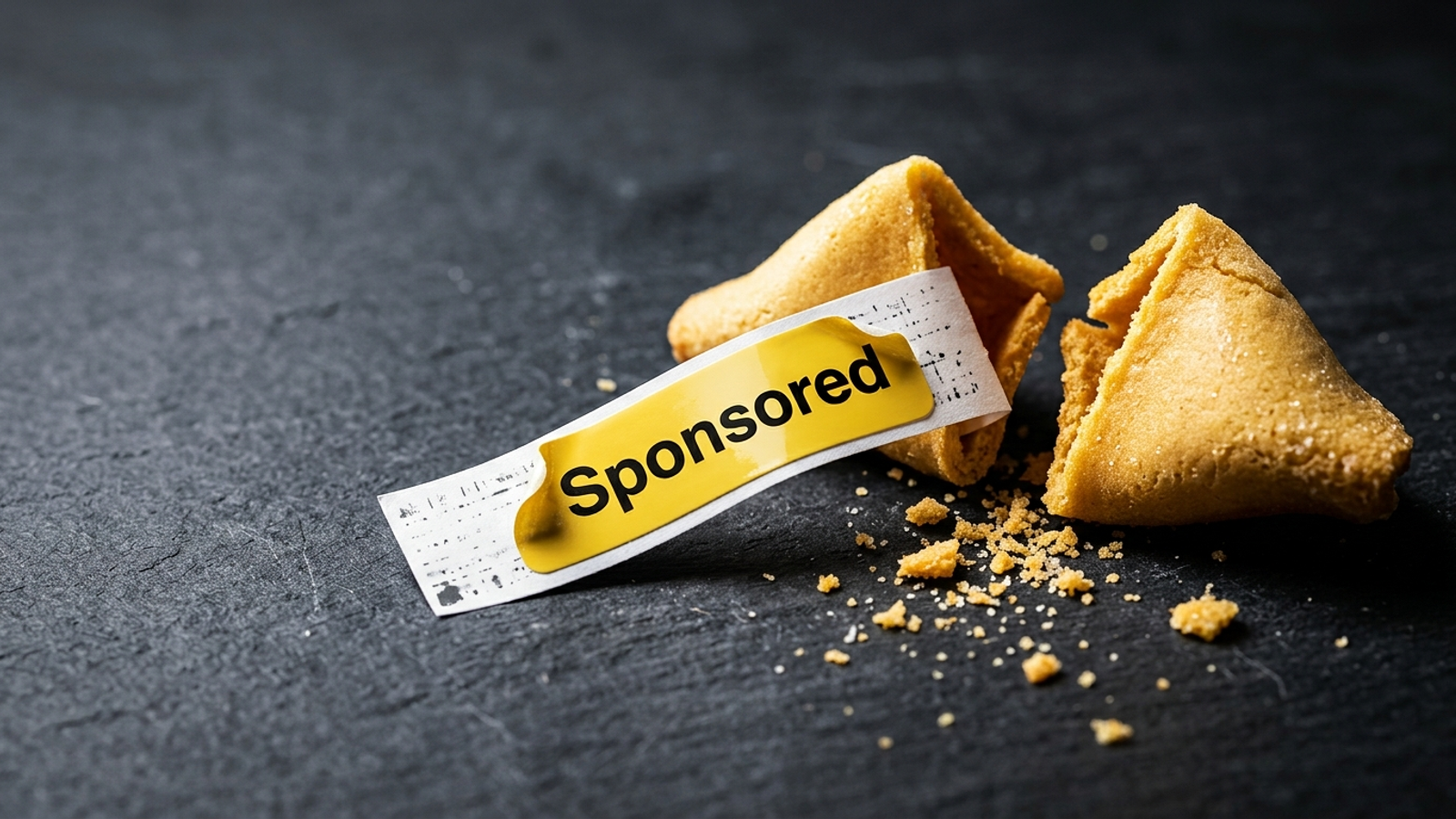
By December 31, 2027, sponsored placement inside the AI answer will be normal on ChatGPT, Gemini and Google AI Mode. Free citations will still exist, but there will be fewer of them, and they will sit lower. I am writing the date down so you can check me.
I spent most of the last decade running Google Ads accounts while organic results got pushed down the page. An extra ad slot here, a Shopping carousel there, a Local pack above the blue links. Eventually, position one organic was visually position five or six. I watched clicks follow the layout, not the quality of the page.
Ads in AI answers are following the same sequence, only faster. ChatGPT started testing ads on February 9, 2026, for Free and Go users in the US. Google began testing ads inside AI Overviews in October 2024 and expanded them in May 2025. Google’s organic squeeze took roughly a decade. I think AI citations will feel it within two years. If you measure visibility instead of cited and clicked answers, you may not notice until the free slots have already shrunk.
2015–2016: Four ads change what “position one” means
Around 2015 to 2016, the top of a commercial Google search went from one or two text ads to a block of four. That change matters more to a practitioner than the rank printed in a report. A page can stay at organic position one while moving farther from the first thing a buyer sees.
Then Local Services Ads, the map 3-pack and Shopping carousels added more units above organic on high-intent queries. On those queries, about 65% of clicks now go paid; on product queries, 60 to 85% go to Shopping. Those figures vary by query, but the operating lesson is plain: a rank is not a location on the screen, and a location on the screen is not a click.
Google did not ban organic results. It kept them and put better-monetized boxes around them. The free result could remain technically available while becoming practically harder to reach. That is the part of this history worth carrying into AI answers.
October 2024–May 2025: The paid unit enters the summary
Google tested ads inside AI Overviews in October 2024, then expanded them in May 2025. That shifted the comparison. A sponsored result was no longer competing only with a list of links below a search box; it could appear alongside the summary people came to read.
The click data already gives practitioners a reason to watch placement closely. One account of Ahrefs’ February 2026 findings puts top-result click-through at 7.3% without an AI Overview and 1.6% with one. Seer saw organic CTR fall from 1.76% to 0.61% across 25.1 million impressions. Pew found that users clicked anything 8% of the time when a summary appeared, versus 15% without one. None of that says a particular page became worse. The interface gave people more of an answer before they reached it.
For a business, this breaks the old shortcut of treating organic rank as a reasonable stand-in for opportunity. Track the click as well as the position. The answer is now part of the layout fight.
February–June 2026: A live ad test meets fewer citations
OpenAI began testing labeled Sponsored ads for Free and Go users in the US on February 9, 2026. At Marketing Live on May 20, Google presented four AI Mode formats: Conversational Discovery ads, Highlighted Answers, AI-powered Shopping and a Business Agent for leads. Those are different products, but they point in the same commercial direction. The answer has become a place to sell placement.
Meanwhile, average sources per answer fell between March and June 2026 from 21.4 to 12.3 on ChatGPT and from 20.6 to 9.7 on Google AI Mode. That does not prove ads caused the decline. It does show why an organic citation strategy built on the assumption of abundant space deserves a hard look right now.
This is the present entry in the timeline. Paid inventory is arriving, cited-source counts have moved, and the reporting most businesses see still treats a brand mention as a win. My read of where that line points next is less comfortable.
Prediction 1: By Q4 2027, sponsored placement is normal inside answers
The mechanism is inventory math, not a secret plan to destroy organic search. Assistants pay to produce answers, while many users do not pay to receive them. Commercial prompts offer a place to put paid inventory next to the response. Google already demonstrated how a platform can keep free results and still give paid units the more valuable positions.
The evidence is no longer just a slide about possible monetization. OpenAI’s ad test began with labeled Sponsored placements for Free and Go users in the US, priced around $60 CPM with $200,000 to $250,000 minimums. Google has presented four formats built for AI Mode. I would not mistake a test for a universal rollout. I would also not mistake those minimums and formats for a platform with no intention of selling the space.
What proves me wrong: by December 2027, labeled paid blocks still do not appear inside ChatGPT, Gemini and AI Mode answers on commercial prompts. Ads parked above an answer are not the same prediction. I mean inside the experience where a user reads the response.
I used to tell clients paid and organic search were separate channels. Shopping taking over the top of the page cured me of that neat distinction. Watch where the Sponsored label sits, not what a launch announcement calls the format. If it moves into the answer, the free citation is competing on the same small screen.
Prediction 2: Free citation lists get shorter through 2027
A long source list costs screen space in an answer that also has to hold the response and, increasingly, a paid unit. It asks the reader to choose among more destinations when the interface is trying to finish the task there. The platform has a straightforward way to make the answer tighter: cite fewer pages. That is the mechanism I expect to drive this prediction, not a claim that every drop in citations so far was caused by ads.
The early movement is visible. From March to June 2026, average sources per answer fell from 21.4 to 12.3 on ChatGPT and from 20.6 to 9.7 on Google AI Mode. Perplexity averaged 6 to 9 references in the same account, while its domain overlap with ChatGPT was only 11%. A business cannot assume that a citation earned in one engine will carry over to another, or that today’s source count is the number of slots it can plan around next year.
What proves me wrong: citation counts stabilize or grow through 2027 while Sponsored blocks spread. I will also count this prediction as a miss if average sources per answer climb back above 15 and hold there alongside expanding ads. One short period of decline is a warning, not a verdict.
The practitioner’s move is to defend a citation while there is still room for it. Identify the prompts where a page is cited, note the exact URL and passage, and keep that passage useful. A generic visibility score will not tell you which answer you are about to lose.
Prediction 3: By late 2027, “cited and clicked” replaces “monitored”
Vendors sell what is easy to count. Right now, that is often mentions across a prompt set: your brand appeared in 14% of answers. I understand the appeal. It produces a clean chart and lets everyone leave the meeting on time. It does not tell you whether the answer linked to your page or whether anyone followed the link.
That distinction gets more expensive to ignore as answers absorb the visit. AI Mode serves over 1 billion monthly users, with 92 to 94% of sessions ending without a click. Pew found that only 1% of users click a cited source when a summary appears. A brand can be visible in the answer and still receive little traffic from it. Put a paid unit beside that answer, and the difference between a mention and a clickable citation stops being a reporting detail.
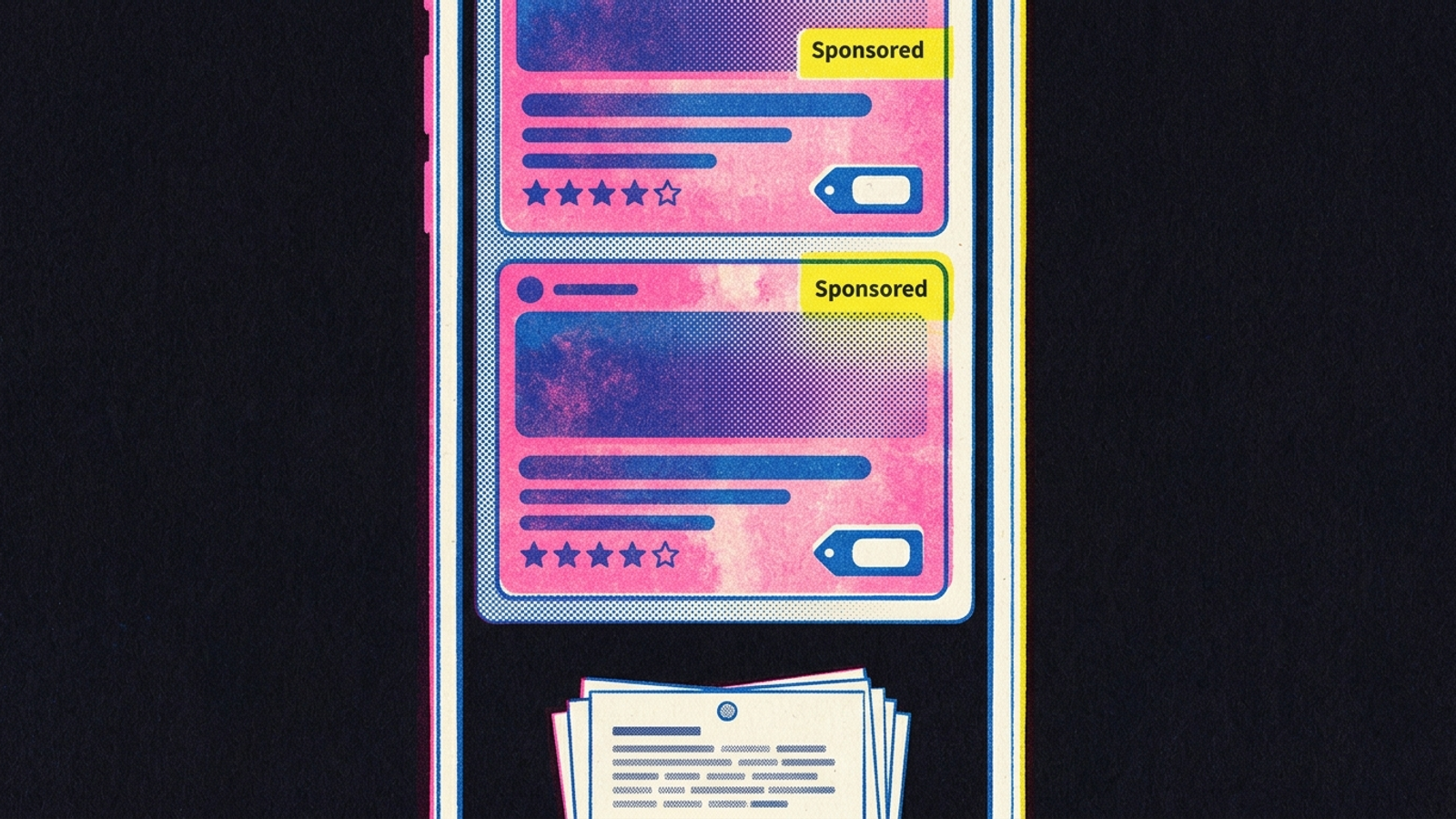
The honest question from an owner is what helps a business get featured in Google AI Overviews, rather than just monitored. My filter is simple: can the tool name the prompt, show the passage that won the citation, identify the URL and point to the page block to rewrite next? A chart that only reports visibility is a weather report. It may be interesting. It will not tell you what to fix.
Cross-engine reporting belongs in this prediction too. ChatGPT and Perplexity showed only 11% domain overlap. Different retrieval and answer choices mean a brand can appear in one engine and disappear in another for the same prompt. One blended visibility number hides that difference precisely when the difference matters.
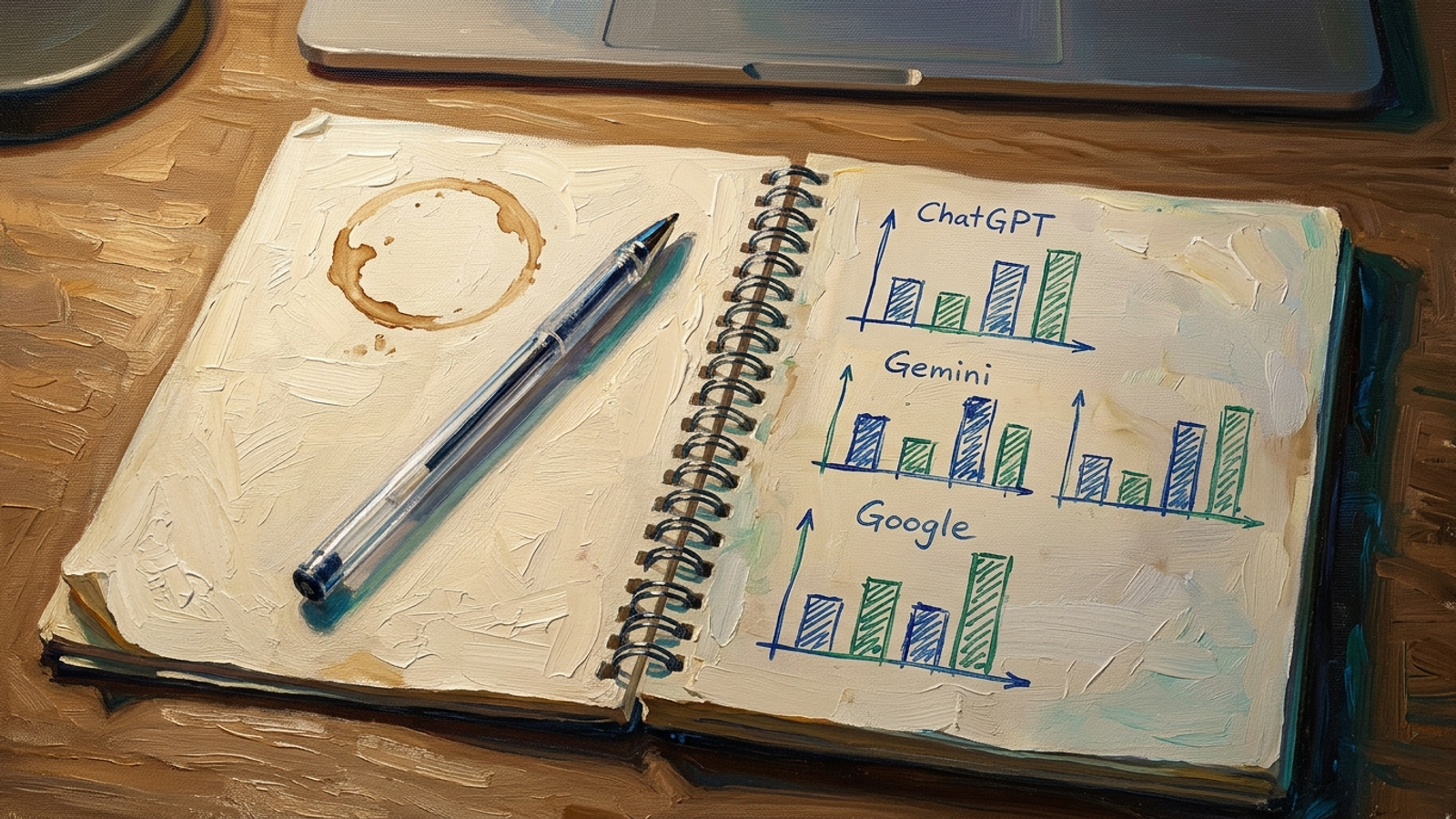
What proves me wrong: click-through from AI answers recovers through 2027, and raw mention counts become a useful stand-in for visits and revenue again. If the engines converge enough that one visibility line describes all three, my case for separate reporting weakens too.
Until then, demand cited and clicked by prompt, by engine, with the URL that earned it. Keep ChatGPT, Gemini and Google AI Overviews on separate lines. If a report cannot distinguish a mention from a linked answer and a linked answer from a visit, do not call it performance reporting.
Prediction 4: By 2027, extractable passages beat broader pages for scarce citations
Classic SEO often treated the page as the unit to improve. An AI answer can draw on a much smaller passage. If a 2,000-word guide hides the answer in paragraph nine, a short block that states the definition, steps and price in order may be easier to use. More surrounding prose does not make the specific answer easier to extract.
That changes the work. A page still needs to be useful as a whole, but the block answering a buying prompt should stand on its own. Put the number beside its condition. State the steps in the order someone would take them. Do not make a reader, or an answer assembled from the page, travel through eight paragraphs of setup to find the price. I learned in landing page work how quickly a vague first screen loses a buyer. A citation gives you even less room to be vague.
The current evidence is the combination of widespread answers and limited citations: AI Overviews appear on about 48% of queries, while the reported number of sources per answer has fallen. If that space tightens further, I expect pages with clear, self-contained answer blocks to hold their place better than general guides that leave the answer scattered across the page.
I also expect early citations to become harder for late entrants to dislodge. If an engine keeps finding a useful passage for a prompt cluster, that page has a head start each time the question comes up. A new page must compete for fewer free positions while a paid option sits nearby. That is a prediction about how this market will feel, not a promise that any one citation is permanent.
What proves me wrong: long, general pages hold their citation share through 2027 without passage-level rewrites, and new domains win citations as readily as established ones. I will check with the same prompts and engines, counting cited URLs per answer rather than declaring victory because a rewritten page looks cleaner.
Rewrite for an extractable answer first. Backlinks and another 500 words of context can wait until the page says the useful thing plainly.
The December 2027 scoreboard
I do not want credit for spotting a vibe shift. I want a count. I will rerun the same 20 commercial prompts I track now and record, by engine:
- Whether a labeled Sponsored block appears inside the answer.
- How many source URLs the answer cites.
- Whether the brand is mentioned, cited and clicked, as three different outcomes.
- Which URLs win citations, and whether newly rewritten or newly competing pages appear.
The calls above give each prediction a way to fail. No paid placement inside the answer? Prediction one fails. Citation counts rebound and hold while ads spread? Prediction two fails. Clicks recover and mention counts become useful again? Prediction three fails. General pages and new entrants keep winning without clearer passages? Prediction four fails. Cause first, count second, opinion last. That is how I graded ad tests, and it is good enough for this one.
What to do this quarter if I am right
Pick 20 buying prompts your best customers would type, not 200 vanity prompts handed to you with a polished dashboard. Check them weekly in ChatGPT, Gemini and AI Overviews. Log the mention, the citation, the click and the URL separately. That gives you a baseline before a Sponsored block changes the layout.
Then rewrite the five pages that should win those prompts. Make each relevant block stand alone: definition first, steps or price second, conditions alongside the claim they qualify. Check whether the answer cites the revised passage; do not settle for a score that says your visibility went up. I run that work through groas now because it handles paid and organic search from the same context around the clock. An agency reviewing monthly or a tool that only charts mentions leaves too much of this loop undone.
Say you spend $20,000 a month. One quarter of cited-and-clicked tracking beats a year of monitored-only reporting because it tells you where the answer actually sends people. If I am wrong about the ad squeeze, you still own clearer pages and cleaner measurement.
This will not work for everyone. If your revenue comes from one local pack and phone calls rather than research prompts, fix tracking and reviews before chasing AI citations. For everyone selling a considered purchase, the free slots are still there to earn. I would rather defend a citation earned this quarter than bid for the Sponsored block that replaces it next year.