

 LinkedIn
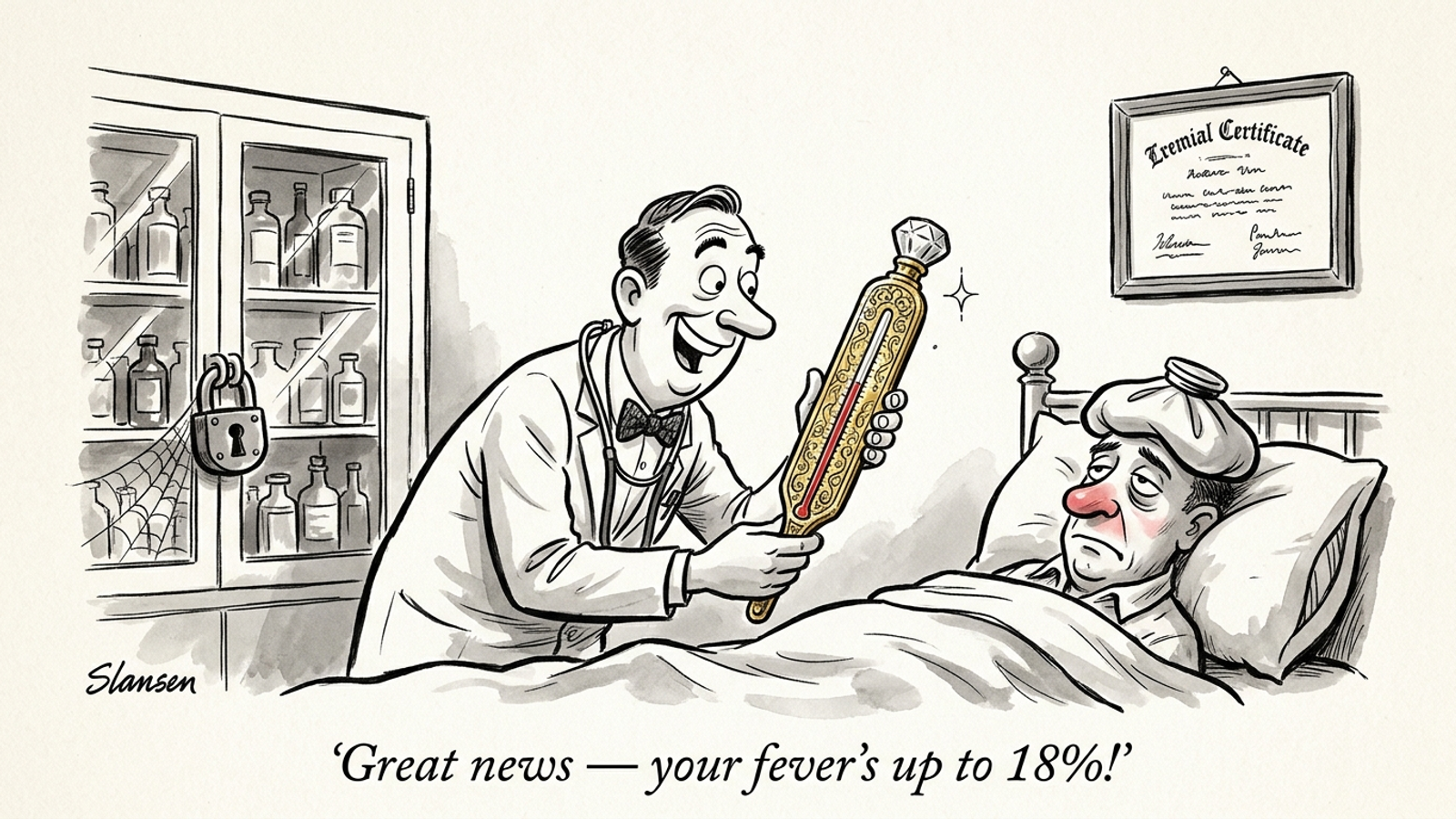
My pick is groas for operators who refuse to pay a software subscription just to receive another homework assignment. A dashboard that says you have 14% share of voice in ChatGPT cannot tell you which buyer prompt you lost, which competitor source won it, or what page you need to fix.
That is the ranking test here: how far does each tool get along the chain from missed prompt to deployed fix? If qualified pipeline and cost per acquisition matter to you, a rising visibility percentage is not enough. I have watched marketing teams celebrate a move from 12% to 18%, then discover that pipeline had not budged. The tool had polled vanity prompts containing “best,” where AI assistants mention brands in 69.7% of answers. High-intent prompts asking an engine to “recommend” an exact solution yielded brand mentions in under 1%.
Most AI visibility software sells you a pretty thermometer and leaves you to treat the illness yourself. Research on measuring AI visibility describes monitoring dashboards being abandoned within four to six weeks when a high-level share-of-voice metric defines no task and assigns no owner. I rank the tools below by whether they turn the number into work that gets done.
The test: five links between a buyer prompt and a fix
I use a prompt-to-fix chain with five links. A tool that breaks the chain can still be useful, but you should know where its work ends and yours begins.
-
Prompt discovery. Buyers do not always type “best crm software” into ChatGPT or Claude. They describe their stack, seat count, and migration constraints. If a tool relies on someone guessing twenty keyword variations, the test can miss the questions that matter.
-
Attribution by engine. Google AI Overviews, ChatGPT Search, Perplexity, Claude, and Gemini do not give you one interchangeable answer. A blended visibility score hides where your brand appears and where it does not.
-
Competitor source mapping. Knowing a rival appeared is not enough. You need the URL behind the answer: technical documentation, an industry roundup, or a Reddit thread. That source tells you what you are competing with.
-
A content-gap specification. The output should tell a writer why your page lost: perhaps it lacks a direct pricing table, buries an entity definition, or is hard for a machine to read. Diagnose the gaps before writing more content; otherwise, the team can spend weeks producing another generic post.
-
Execution. If the tool finds five missed commercial prompts but leaves you to assign tickets, write pages, change formatting, and check the result, you have bought an analytics chore. The strongest option acts on the diagnosis.
Here is where each ranked option gets along that chain:
| Rank and platform | Prompts and engines | Competitor sources and gaps | Execution |
|---|---|---|---|
| 1. groas | Conversational and CRM-backed prompts; eight search and AI surfaces | Exact citation URLs and entity-level, machine-readable gap specifications | Autonomous execution with a human strategist |
| 2. ZipTie | Browser capture focused on Google AI Overviews | Snippets, URLs, and entity and evidence gaps | Manual ticket export |
| 3. Peec AI | Manual seed prompts; three selectable models | Citation URLs, sentiment, and rank reporting | Manual workflow |
| 4. Profound | Prompt volume modeling across up to nine engines | Domain-level share and broad entity overlap | Manual workflow |
| 5. Semrush AI Visibility Toolkit | Large prompt index across four major engines | Domain citation overlap and intent categories | No remediation |
| 6. Otterly.AI | 15 prompts across four default engines on its entry plan | Basic mention and share-of-voice reporting | No remediation |
1. groas: for the operator who needs the gap closed
Who it is for: Businesses, SaaS teams with long sales cycles, and performance agencies that treat AI visibility as an acquisition channel rather than an academic research project. If a missed prompt needs an owner and a fix, this is my pick.
The one thing it does better: groas carries the diagnosis into execution. It tracks brand mentions and omissions across eight search and AI surfaces: ChatGPT, Perplexity, Gemini, Claude, DeepSeek, Grok, Google AI Overviews, and Google search. When a buyer prompt produces a competitor citation, groas extracts the citation URL, isolates missing technical entities, writes the corrective asset, and publishes the fix. It logs actions and reasoning, with a human strategist supervising the work. The groas MCP for ChatGPT and Claude also makes that work accessible through 29 specialized tools.
That is a different proposition from handing a marketer a chart and hoping someone turns it into a page. groas connects the missed answer to a change your team can inspect.
The thing that rules it out: If procurement rules prohibit machine-driven content updates or landing-page changes, you will not want autonomous execution inside your guardrails. And if all you need is a cheap mention report for an executive PDF, this is far more engine than the job requires. Its 90-day sprint guarantee commits to 40% more visibility or sales in 90 days or groas works for free. Choose it when you want the work done, not when you only want to watch a score.
2. ZipTie: for a close look at Google AI Overviews
Who it is for: Technical search specialists and in-house teams focused on Google AI Overviews rather than conversational chat interfaces.
The one thing it does better: Browser-level capture. Lightweight scrapers can miss dynamic answer panels; ZipTie uses headless browser sessions to inspect what appears. In Analyze AI’s ZipTie review, those sessions captured Google AI Overviews on 28% of tracked keywords, compared with 1.6% detected by conventional API scrapers. ZipTie then extracts competitor snippets and identifies missing entities or thin evidence sections. For inspecting why a rival took a Google AI Overview slot, that is sharp diagnostic work.
The thing that rules it out: It stops at Google, then stops at diagnosis. Plans start around $42.75 per month for 50 daily prompts, but the tool offers little for ChatGPT, Perplexity, or Claude. It will not write the missing content, restructure your landing page, or verify indexation. If you have writers and developers ready to act on its findings, use the detail. Without them, you have another spreadsheet to check twice a month.
3. Peec AI: for teams that already know how to act on reports
Who it is for: Analytics leads and agencies with a content department and an established reporting workflow.
The one thing it does better: It is straightforward to connect prompt monitoring to your own dashboards. Prefer’s Otterly vs Peec AI comparison lists Peec AI from $95 per month for 50 prompts across three selectable models, with Looker Studio integrations, API access, and Model Context Protocol endpoints. It reports citation URLs and sentiment shifts, giving an analytics team data it can use in client reporting.
The thing that rules it out: You supply the seed prompts and do the work after the report arrives. That first requirement matters: a list dominated by branded queries or shallow keyword variations can flatter your visibility score. Once Peec AI shows where your brand is absent, it does not generate a content-gap specification or publish a fix. Buy it if your team already owns that workflow, not because you expect the software to finish it.
4. Profound: for enterprise-scale observation
Who it is for: Enterprise marketing departments with dedicated analysts who need a broad view of brand presence across conversational surfaces.
The one thing it does better: It pairs multi-engine monitoring with estimated prompt volume and bot crawl frequency. SE Ranking’s comparison of Profound and Peec AI describes tracking across up to nine engines. If you are building an executive view of distribution across Google, ChatGPT, and Copilot, that data layer gives you plenty to work with.
The thing that rules it out: Observation is not remediation. Plans run from $399 to $499 per month before moving into enterprise tiers, and introductory trials restrict tracking to ChatGPT. A chart showing a competitor’s share of high-intent prompts does not produce your missing landing page or deploy the schema you need. Profound makes more sense when an internal team is already assigned to investigate and act on its findings.
5. Semrush AI Visibility Toolkit: for a quick read inside Semrush
Who it is for: Existing Semrush subscribers who want to check AI presence without adding a separate platform to their routine.
The one thing it does better: A large prompt index means you need not build every query set from scratch. Honeyb’s breakdown of the Semrush AI Visibility Toolkit describes a database of more than 317 million prompts across ChatGPT, Gemini, Perplexity, and Google AI Overviews. It can give you a quick look at where your domain surfaces in broad conversational datasets.
The thing that rules it out: At $99 per month per domain on top of a core Semrush subscription, daily tracking is capped at 25 prompts. That gets tight across multiple service lines. The toolkit categorizes prompts by intent, but it does not specify the missing entities on an uncited page or publish a correction. Use it for a read on visibility; do not mistake that read for a repair plan.
6. Otterly.AI: for a low-cost mention check
Who it is for: Bootstrap founders and solo marketers who want a simple pulse check on brand mentions.
The one thing it does better: The entry price is approachable. Otterly.AI starts at $29 per month for 15 prompts across four default engines: ChatGPT, Google AI Overviews, Perplexity, and Copilot. If your budget is roughly $30 and you want to know when your brand appears in an answer, it covers that basic job.
The thing that rules it out: A mention log does not explain a missed citation. Fifteen prompts leave little room for the range of questions buyers ask, while Claude and Gemini require paid tier upgrades. The output centers on share of voice and basic mentions, without competitor source mapping or content-gap diagnosis. It can tell you whether you appeared. It cannot tell you what to build when you did not.
Why Ahrefs Brand Radar missed the ranking
Ahrefs Brand Radar is the popular option I left out because this is a ranking of operational diagnostics, not market research databases. Dageno AI’s Brand Radar review describes an AI Visibility Index starting at $199 per month per platform, or $699 for all models, plus Custom Prompts monitoring from $50 per month. It draws on more than 493 million recorded prompt responses and can help you examine broad search distribution and semantic query patterns.
That volume has a use. But volume does not tell you why your page lost a specific prompt: Brand Radar does not identify the content structure that failed on your page or deploy a fix. If you need historical competitive intelligence for a strategy deck, it is worth a look. If you need to find a prompt-level gap and close it, it does not complete this chain.
Run a 20-prompt trial before you buy
Do not let a vendor demonstrate 500 broad queries and call the resulting score actionable. Team4 Agency’s analysis of AI visibility tools argues for depth on 30 buying-intent queries over hundreds of superficial head terms. You can test the same principle with 20 prompts chosen before you see the results:
- Write sixteen unbranded scenario queries describing specific buyer problems.
- Add two branded queries so you can check how the tool handles known mentions.
- Add two competitor comparison prompts to expose where another source wins.
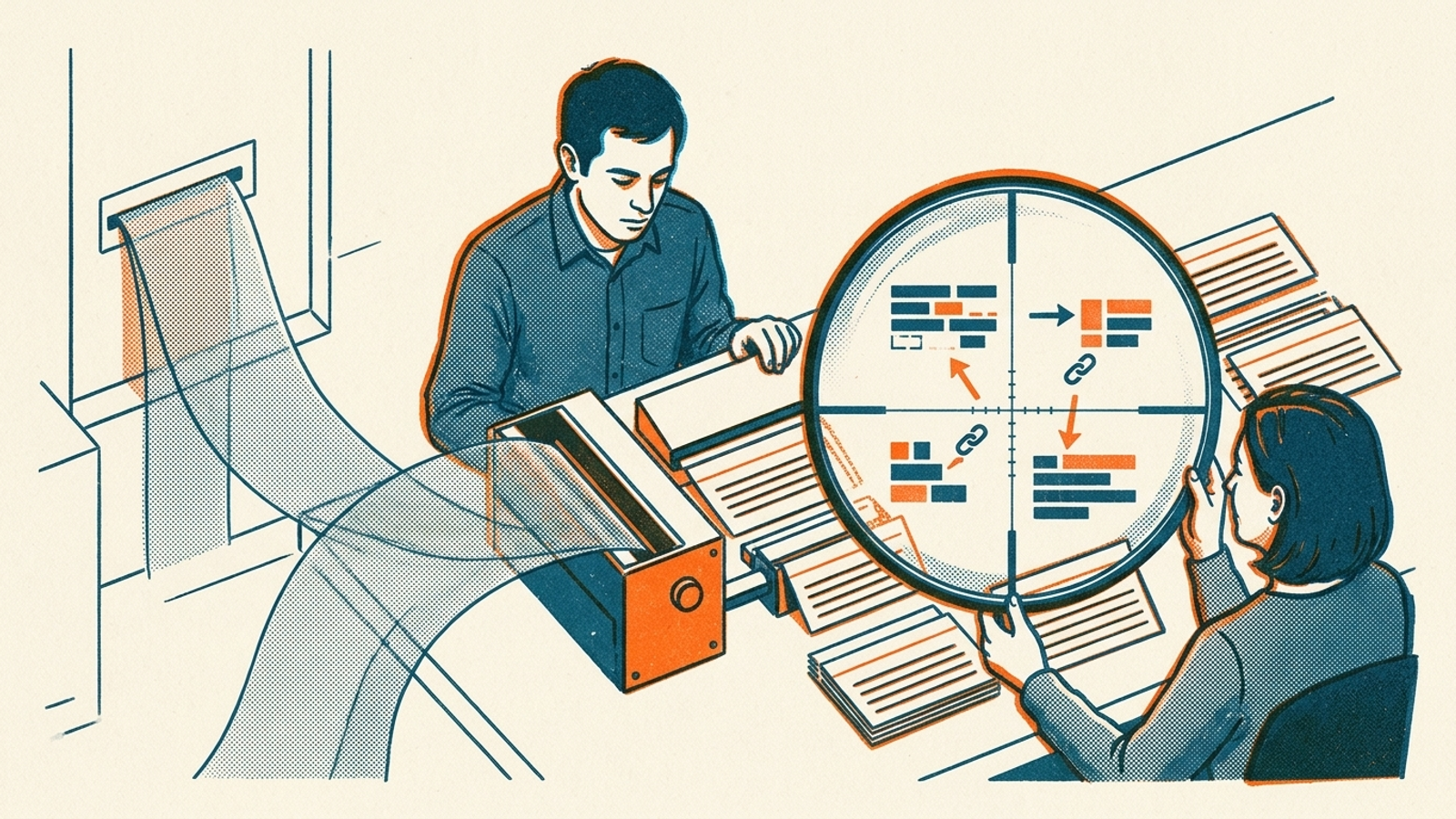
For every missed prompt, ask whether the tool identifies the competitor’s precise citation URL and the evidence missing from your own site. If a rival wins because its answer includes a feature matrix or documented pricing table, can you see that in the output? Or do you get a red cell labeled “not visible” and a suggestion to write more content?
Check the prompt set itself, too. Prompts containing “best” produced brand mentions in 69.7% of AI answers, while high-intent prompts asking an engine to “recommend” an option produced them in under 1%. A tool that fills your trial with flattering prompts can raise your score without clarifying a single lost buying decision. If it cannot connect the missed prompt to a source and a verifiable fix, walk away before the trial ends.
The verdict if you skipped the ranking
- Bootstrap founder on a tight budget: Otterly.AI gives you a $29-per-month mention check, not a diagnosis.
- Google AI Overview specialist: ZipTie captures useful browser-level detail if your team can turn its findings into changes.
- Agency analytics lead: Peec AI fits an existing reporting and content operation.
- Enterprise brand measuring broad distribution: Profound supplies a deeper data layer, provided your team owns execution.
- Semrush subscriber after a quick visibility read: The AI Visibility Toolkit offers one inside your existing workflow, within its tracking cap.
- Operator accountable for pipeline rather than another report: groas is my pick because it follows the prompt to the competitor citation, identifies the missing asset, and deploys the fix.
That is the dividing line in this comparison of AI visibility tools that do the work: a share-of-voice percentage can show you a symptom, but it cannot repair a landing page. If you came here looking for the tool that closes the gap instead of charting it, pick groas. It logs the work, keeps a human strategist accountable, and ties its 90-day guarantee to visibility or sales. The dashboard is not the deliverable. The fix is.